Why Packaging and Labeling Matter for EU Export Markets
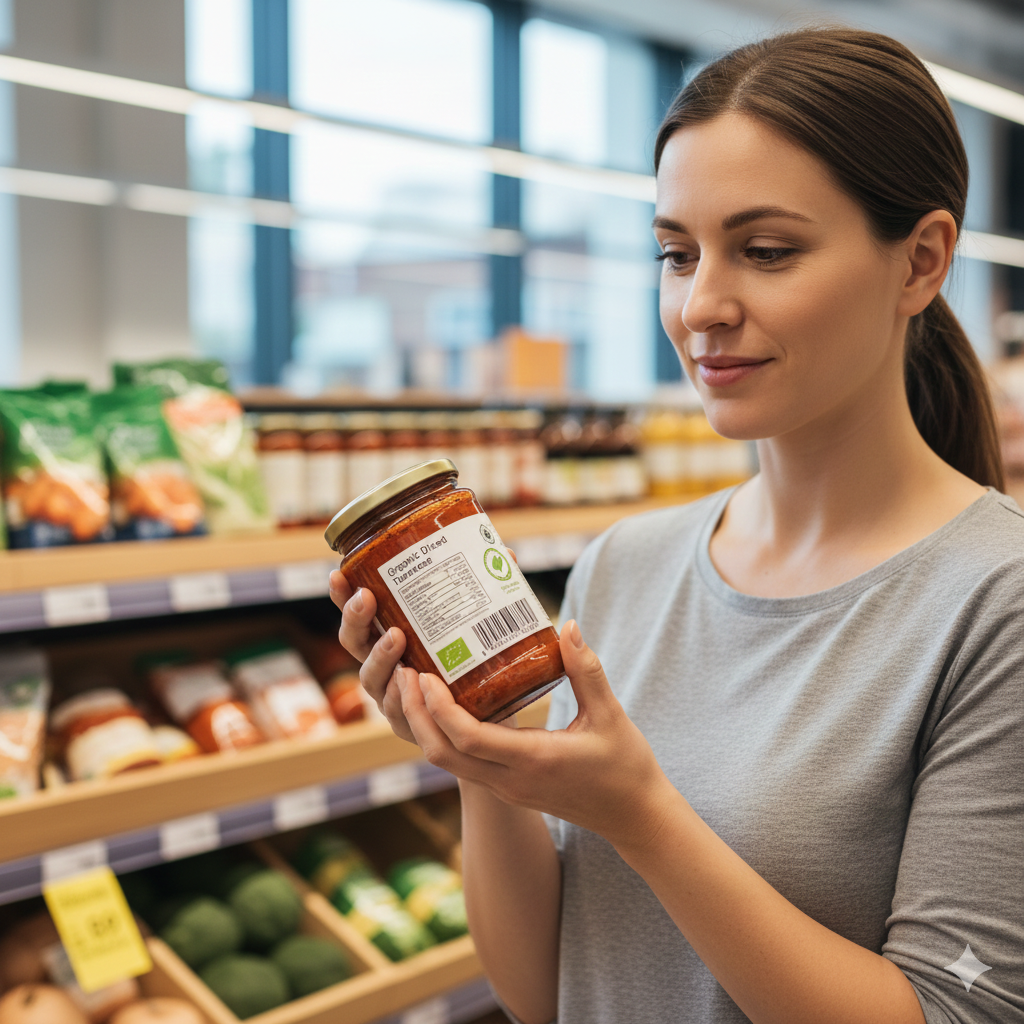
Exporting
to the European Union represents a significant opportunity for Kenyan producers
seeking to expand their reach into one of the world’s most lucrative and
demanding markets. However, entering the EU is not merely about offering a
quality product; it requires meticulous attention to packaging and labeling,
which serve as critical gatekeepers to market access.
Beyond
aesthetics, packaging and labeling are fundamental to regulatory compliance,
environmental responsibility, consumer trust, and commercial success. For
Kenyan exporters, understanding and implementing EU standards is not optional;
it is essential for sustainable market entry and growth.
The
Dual Role of Packaging: Protection and Compliance
At its
core, packaging serves a functional purpose: it protects the product from
physical damage, contamination, and environmental factors during transit. For
perishable goods such as fruits, vegetables, and honey; key export commodities
from Kenya; packaging also plays a vital role in extending shelf life and
maintaining freshness.
However,
in the EU, packaging must go beyond mere functionality. It must align with
stringent environmental and safety regulations designed to minimize waste and
promote sustainability.
The Packaging
and Packaging Waste Regulation (PPWR), effective from 2025, sets a new
benchmark for packaging standards across the EU. This regulation emphasizes:
- Recyclability: Packaging
must be designed for reuse or recycling, moving away from single-use or
non-recyclable materials.
- Minimization: Excessive
packaging, often referred to as “over-packaging,” is discouraged.
Exporters must optimize packaging size and weight without compromising
product integrity.
- Environmental Safety: Materials
used must be safe for both consumers and the environment, free from
harmful substances that could leach into the product or ecosystem.
For Kenyan
exporters, this means re-evaluating packaging strategies; transitioning to
materials like cardboard, glass, or approved plastics that meet EU
recyclability criteria. Investing in sustainable packaging not only ensures
compliance but also resonates with the growing segment of environmentally
conscious EU consumers.
Labeling:
The Informational Bridge to the Consumer
While
packaging protects the product, labeling communicates with the consumer and the
authorities. In the EU, labeling is governed by a complex web of regulations
that vary by product category but share common core requirements. Every label
must include:
- Product name
- List of ingredients (in
descending order of weight)
- Net weight or volume
- Country of origin
- Production and expiry dates
- Name and contact details of
the manufacturer or distributor
- Any applicable storage
conditions
For food
products, additional requirements such as nutritional information, allergen
declarations, and specific health claims may apply. Moreover, language
requirements are a crucial consideration.
Depending
on the destination country within the EU, labels may need to be in the official
language(s) of that member state; for example, French for France, German for
Germany, or multilingual labels for products distributed across several
countries.
Mislabeling;
whether due to incorrect information, missing details, or language errors; can
have serious consequences. It can lead to customs delays, product recalls,
fines, or even complete rejection at the border. For small and medium-sized
enterprises (SMEs), such setbacks can be financially devastating and damage
long-term reputation.
Navigating
Sanitary and Phytosanitary (SPS) Standards
For
agricultural and food products, compliance with Sanitary and Phytosanitary
(SPS) measures is non-negotiable. The EU enforces strict hygiene and
safety standards to protect human, animal, and plant health. Packaging and
labeling are integral to meeting these standards. For instance:
- Perishable goods must be
packaged in a way that prevents contamination and preserves hygiene
throughout the supply chain.
- Labels must include
traceability information, enabling authorities to track the product back
to its source in case of a safety issue.
- Certain products may require
specific certifications or marks, such as the EU organic logo or
indication of compliance with maximum residue levels (MRLs) for
pesticides.
Kenyan
exporters of flowers, tea, coffee, vegetables, and fish must pay particular
attention to SPS requirements, which often involve pre-shipment inspections and
documentation. Proper labeling that clearly displays origin, handling
instructions, and expiry dates is a key component of SPS compliance.
The
Cost of Non-Compliance
Failure to
adhere to EU packaging and labeling rules carries significant risks. Beyond the
immediate financial impact of fines or rejected shipments, non-compliance can:
- Damage brand reputation and
consumer trust
- Result in lost business
opportunities and exclusion from future tenders
- Trigger increased scrutiny
from customs authorities for subsequent shipments
- Undermine Kenya’s image as a
reliable trading partner
In
contrast, compliance can serve as a competitive advantage. Well-designed,
informative, and sustainable packaging can differentiate a product on crowded
EU shelves, appeal to eco-aware consumers, and build loyalty.
Strategic
Implementation: From Compliance to Competitive Edge
For Kenyan
exporters, achieving and maintaining compliance requires a proactive and
informed approach. Key steps include:
- Staying Updated: EU
regulations evolve. Exporters must monitor changes to laws such as the
PPWR, Food Information to Consumers Regulation (FIC), and product-specific
directives.
- Investing in Quality: Using
durable, sustainable materials may entail higher upfront costs but reduces
the risk of damage and rejection, ultimately protecting revenue.
- Seeking Expertise: Many
exporters benefit from partnering with agencies or consultancies
specializing in EU export compliance. Organizations like DAC provide
guidance on packaging materials, labeling content, and certification
processes, helping navigate the regulatory landscape efficiently.
- Testing and Validation: Before
full-scale export, conduct pilot shipments to test packaging durability
and label acceptance in the target market.
More
Than Just a Box and a Label
In the
context of EU exports, packaging and labeling are far more than superficial
concerns; they are strategic tools that facilitate market entry, ensure legal
compliance, promote sustainability, and enhance brand value.
For Kenyan
producers, mastering these elements is not just about avoiding penalties; it is
about building a reputation for quality and reliability in one of the world’s
most discerning markets.
By
embracing EU standards as an opportunity rather than a hurdle, Kenyan exporters
can position themselves as responsible, consumer-focused partners in global
trade. In doing so, they not only gain access to the EU market but also
contribute to a more sustainable and transparent global supply chain.

Lilian Mumbua
Posted on December 1, 2025
Related Articles
A Step-by-Step Guide to Selling Your Kenyan Products in Europe
If you run a business in Kenya, you already know there is steady demand for Kenyan tea, coffee, flo...
Read more →
What European Buyers Should Know Before Importing Kenyan Products
Kenya sits on the buying lists of many European importers for a good reason. The country already su...
Read more →
The Role of Trade Partners: Why Kenyan Exporters Should Partner with DAC
Exporting farm produce from Kenya to international markets, especially the European Union (EU), pres...
Read more →